NewsExplainer
Biomethane and biogenic CO₂, two products of one process
Anaerobic digestion produces biogas, a mixture of methane and CO₂. Separating them yields two products with different uses.
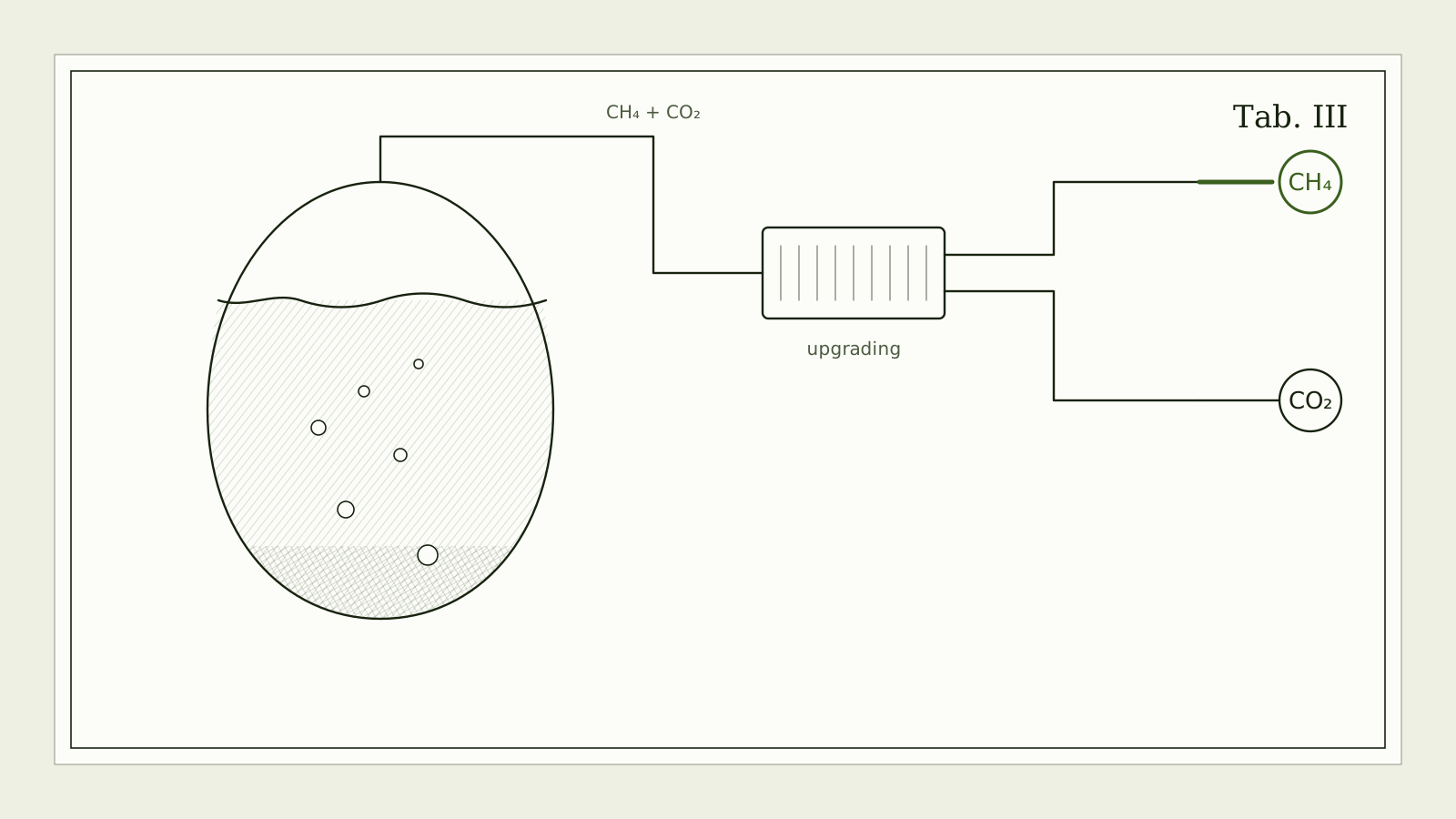
When organic matter breaks down without oxygen, a community of microorganisms turns it, step by step, into biogas. That gas is mainly a mixture of two molecules — methane (CH₄) and carbon dioxide (CO₂) — with small amounts of other compounds such as water vapour or hydrogen sulphide.
Four stages, four different jobs
- Hydrolysis. Enzymes break polymers such as cellulose, proteins and fats into smaller molecules.
- Acidogenesis. Bacteria ferment those molecules and produce volatile fatty acids.
- Acetogenesis. The acids are converted into acetate, hydrogen and CO₂.
- Methanogenesis. Methanogenic archaea produce methane from acetate, or from hydrogen and CO₂.
From biogas to biomethane
To use the gas in the grid or as a fuel, the methane has to be separated from the rest: this is upgrading. There are several technologies — membranes, water or solvent scrubbing, pressure swing adsorption, among others — and all of them produce two streams: one rich in methane, the biomethane, and one rich in CO₂.
The CO₂ that isn't waste
The CO₂ stream is usually released to the atmosphere. But it is biogenic CO₂: its carbon comes from plants that fixed it recently, not from fossil deposits. Captured and conditioned, it can serve as a feedstock for uses that rely on fossil CO₂ today.
It all starts in the digester
How much biomethane a plant produces depends, before upgrading, on how well the digester's microbiota works. If hydrolysis is slow or the microbial community falls out of balance, methane is lost before it ever reaches the upgrading unit. That is why BIOGEA works on the biology: enzyme additives that speed up hydrolysis, designed for each digester and validated in a pilot plant.
More biomethane from the same substrates: the improvement starts inside the digester.